Best food for a husky puppy: High-quality puppy formula for medium/active breeds with named animal protein first on the label (about 25-30% protein and 15-20% fat) three times a day. Our litters are raised on Purina Pro Plan, Royal Canin, Hill’s Science Diet, Orijen, Acana, Taste of the Wild, Merrick, Blue Buffalo, Wellness, Nutro, and each puppy goes home with a bag of it, because with Nutro, the food itself is less important than not switching it abruptly.
Here’s the full breakdown, including the feeding chart we hand every family. which details the specific amounts and frequency for each stage of their growth.
Key macronutrients for growing huskies
Growing puppies need a dense, nutrient-rich profile to handle their developmental demands. Proteins act as the primary building blocks for muscles and organs, while healthy fats provide the sustained energy that these arctic-bred dogs require. It is crucial to focus on nutrient-dense whole food sources rather than fillers that simply take up space in the bowl.
The importance of calcium and phosphorus balance
Finding the right equilibrium between calcium and phosphorus is essential during the skeletal development of a husky puppy. Too much of either can cause bone development issues, so selecting a puppy-specific formula that respects these delicate proportions is vital. Keeping this balance aligned helps ensure that as they grow rapidly, their skeletal system remains supportive of their energetic play styles.
Avoiding rapid growth spurts
While we love seeing them grow, it is actually safer for the puppy if they gain size steadily rather than in extreme bursts. Rapid growth puts significant strain on joints and cartilage, particularly in a breed prone to hip issues. By managing calorie denseness and exercise levels, you help ensure your puppy develops a structurally sound frame that will hold up over their lifetime.
Essential ingredients to look for
Finding the right food is key; we have seen many owners struggle with the variety on the market today. Following a husky puppy diet plan carefully can make a huge difference in their overall coat quality and energy levels throughout the day.
High-quality animal proteins
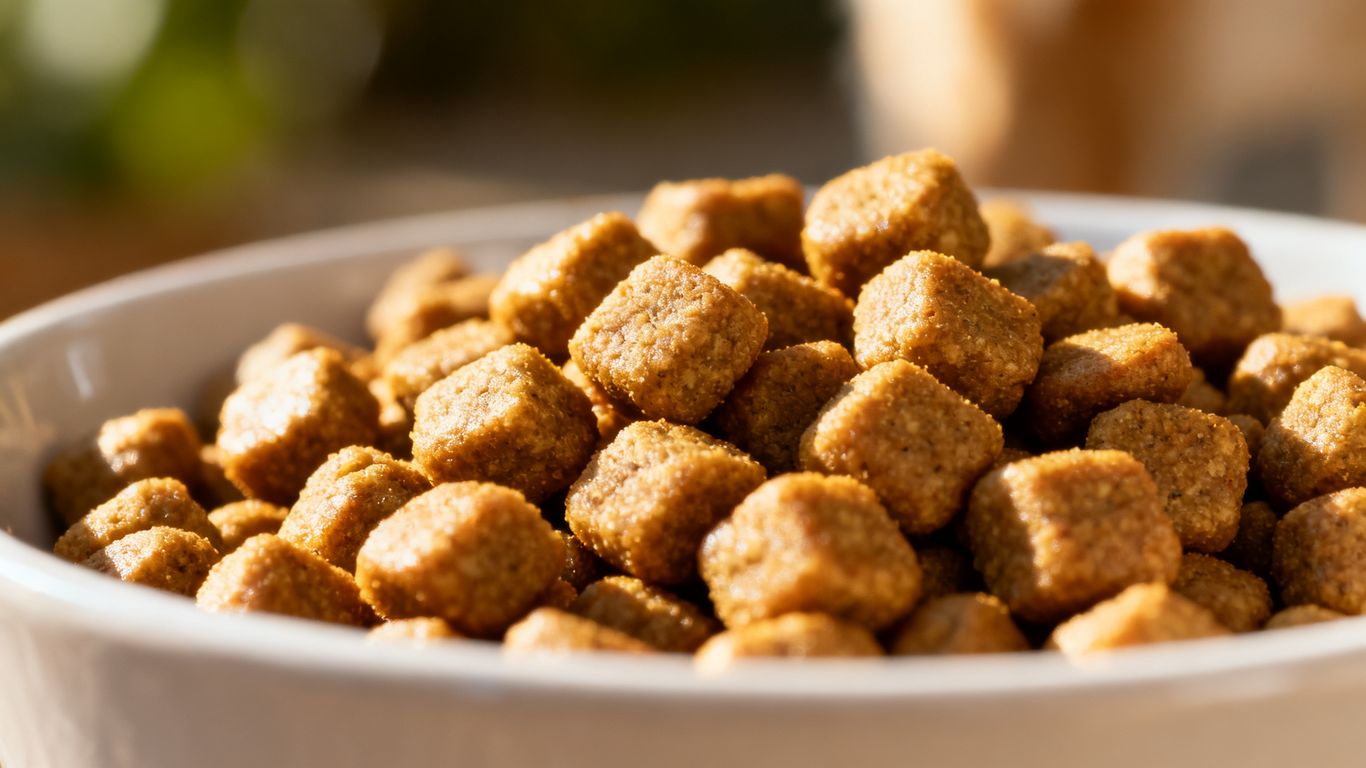
Quality animal protein must always be the first ingredient on any list you review. Look for named sources like chicken, beef, or salmon, which provide the essential amino acids a developing dog needs to thrive. These proteins are more bioavailable, meaning your puppy can absorb and utilize them more efficiently than processed meat by-products.
Healthy fats for energy and coat health
Healthy fats, such as DHA from fish oil or chicken fat, are necessary additions for brain development and keeping their coat glossy. For those seeking high-quality puppy food for huskies, you will find that a moderate amount of healthy fat keeps their skin supple and their energy consistent throughout their long play sessions.
Complex carbohydrates for sustainable energy
-
- Sweet potatoes for vitamins and slow-digesting starches.
-
- Brown rice as a gentle, digestible fiber source.
-
- Oats, which help provide a feeling of fullness after meals.
-
- Peas or lentils for added trace minerals.
After ensuring your pup has a steady source of these carbohydrates, you can better manage their energy peaks and valleys during training. Choosing the right ingredients is part of a broader husky puppy nutrition guide that helps you keep their metabolism stable.
Ingredients to avoid in your puppy’s diet
Your goal is to provide the most fuel possible without unnecessary burdens on their metabolism. Recognizing what to skip is just as important as choosing the right ingredients for your growing companion.
Common fillers and artificial additives
Artificial flavors, colors, and preservatives are entirely unnecessary and can cause long-term digestive irritation. Fillers like corn syrup or excessive amounts of wheat gluten bulk up food but provide no real benefit, often leaving your pup hungry shortly after eating. Sticking to whole-food recipes remains the best path for any new owner.
Low-quality meat by-products
By-products are widely used for their lower cost, but they generally represent inconsistent quality and nutrition. You want to see the specific animal source clearly listed, which helps you track what you are feeding. By avoiding vague labels like “meat meal” or “animal digest,” you protect your pup from unknown protein sources that may trigger a negative reaction.
Potential allergens like corn and soy
Some huskies do have sensitivities, and common allergens like corn, soy, and sometimes wheat are the usual suspects. If your pup consistently displays itching or an upset stomach, identifying these ingredients early and switching to a diet free from them can provide immediate relief. Many owners find that limited-ingredient foods help pinpoint the issue quickly.
Our personal choice: What we feed our husky
When you are deciding on what to feed a young husky, remember that every pup is different. Our journey led us to select food that prioritizes ethical sourcing and transparency above all else, keeping the needs of an active working breed at the center of the recipe.

Why we chose this specific brand
Selecting a reputable option is the single most important step for new owners. We have vetted several paths and believe that partnering with the best provider of dog food kibble for husky puppies, which focuses on strict health testing, is the best option. The standards maintained by our colleagues at Blue Eyes Husky Pups guide our approach, ensuring that we never settle for anything less than excellence for our puppies.
Transitioning from breeder’s food to our choice
Changing food too abruptly often results in a distressed digestive system, so patience is required. We recommend a slow transition over seven to ten days, gradually mixing the old and new foods until the switch is complete. This method allows the puppy to adjust comfortably and helps you monitor their reaction at each stage of the swap.
Tracking our puppy’s growth and energy levels
Consistent tracking lets you know if you are serving the right amount or if you need to adjust based on their current activity level. If your pup loses interest or gains weight too quickly, refer back to the feeding guidelines and adjust as needed. Connecting with experienced mentors, such as the team at Blue Eyes Husky Pups, can help you better understand how to track these milestones effectively.
Managing common puppy feeding challenges
Feeding frustrations happen, particularly during the first few months when everything is new to the puppy. Maintaining a calm and steady approach helps them understand what to expect from their environment.
Dealing with a picky eater
If your pup turns their nose up, do not jump to changing brands immediately. Some huskies are just naturally independent and may prefer a varied texture or a topping of warm water to enhance the aroma of their meal. As long as they are healthy and acting normally, a little patience often solves the issue within a day or two.
Strategies for a sensitive stomach
Sensitive stomachs are not uncommon, especially when a puppy is exploring everything at ground level. Keeping a sensitive stomach diet on hand can simplify things, or even sticking to a single-protein diet could reduce the stress on their tummy. Keeping meals simple for a few days can help their system recover and get them back on track.
Transitioning through life stages
As your husky matures, their caloric needs will change quite significantly, moving from puppy growth to adult maintenance phases. The transition typically happens around the one-year mark, but it should be done based on individual fitness. If your puppy is spayed or neutered, their needs may also shift slightly, so monitor their weight gain throughout the year.
The benefits of a consistent feeding routine
Consistency provides security for a young dog, helping them understand when resources are available. It also allows you to control the exact intake, making it much easier to detect health issues early on.
Establishing a strict feeding schedule
Structure helps prevent the dangerous bloat that can occur when a dog exercises with a heavy stomach. Always allow at least two hours of rest after a meal before engaging in play, and try to feed them at the same time daily. This predictability aligns with their natural biological rhythm and keeps their digestion efficient.
Understanding portion control based on weight
Using a measuring cup is essential, as eyeballing the amount leads to inconsistent nutrition and potential obesity. Follow the guidelines on the package but keep in mind that those are just baselines for your dog’s size. Adjust based on their current body condition and activity level rather than strictly adhering to a label.
Why constant monitoring of body condition matters
Monitoring tells you more than a scale ever could reveal on its own. Use this simple guide to understand the physical status of your growing companion:
| Indicator | Healthy Puppy | Potential Concern |
|---|---|---|
| Ribs | Easily felt when petting | Visible or hidden by layers |
| Waist | Visible curve from above | Thick or straight line |
| Energy | Consistent throughout day | Lethargic or hyper-active |
Checking these signs weekly ensures that you have the flexibility to make small adjustments before they become larger health concerns. When you stay vigilant, you ensure your blue-eyed husky pup’s companion remains strong and joyful throughout their development.
Conclusion
Choosing the right nutrition for your husky is a lifelong commitment that starts the moment you bring them home, providing the fuel they need to become the intelligent, loyal companions they are known to be. By focusing on high-quality ingredients, maintaining a consistent routine, and monitoring your puppy’s physical condition closely, you create an environment where they can safely explore, play, and grow into the best versions of themselves.
Frequently Asked Questions
How often should I feed my husky puppy?
Most husky puppies do best on three controlled meals a day until they reach about six months of age, at which point you can transition to two feedings per day.
Can I feed my husky puppy human food?
While some human foods like plain cooked chicken or carrots are safe as treats, it is best to avoid table scraps that are salty, fatty, or contain irritants like onions or grapes.
Is grain-free really better for huskies?
There is no scientific consensus that grain-free is better unless your specific puppy has a verified allergy, so focus more on the quality of ingredients rather than the presence of grains alone.
Why does my husky puppy not want to eat?
If your puppy is skipping meals, they may be full from treats or simply going through a growth phase, but you should always consult a vet if they refuse food for more than 24 hours.
Should I use water to soften the kibble?
Adding a little warm water to the kibble is a simple and effective practice, as it helps soften the texture for young teeth and improves the aroma of the meal for picky eaters.
Can I mix dry and wet food?
Mixing a small amount of high-quality wet food with their kibble can be a particularly effective way to improve hydration and pickiness, provided it does not lead to overfeeding.
How do I know if the food is high quality?
Check the first three ingredients specifically; if they are whole, identifiable animal proteins and recognizable whole-food vegetables, you are likely looking at a high-quality product. If fillers, by-products, or artificial additives dominate the ingredient list, it’s a sign to look elsewhere.
Picking out your puppy is the fun part—see our available puppies, and then schedule your virtual puppy consultation, and we’ll discuss your puppy’s specific needs, and then we’ll finalize your puppy’s personalized nutrition plan, and we’ll walk through the feeding routine live on your video call.